About this episode
When Lindsay Kelly's husband was diagnosed with progressive MS in 2019, her life reorganized itself overnight. She became a caregiver and the provider, with six kids at home and no map for any of it. What she did next surprised her: she picked up her phone and started telling the truth about it.
On this episode of the YES! Women's Network Podcast, Michele Morley talks with Lindsay, a content creator and marketing strategist with nearly 1.5 million followers and more than one billion views, about caregiving, identity, faith, and why sharing your story can be the thing that saves you too. This conversation is for any woman who has been handed a life she did not plan for and is quietly figuring out how to carry it.
How Lindsay Kelly turned a caregiving crisis into a story worth sharing
The years before the diagnosis were their own kind of hard, full of trying to figure out what was happening. After 2019, the weight landed all at once. "I got thrown with, you're gonna be a caregiver. You're gonna take over as the provider," Lindsay said. "And I have six kids, so it was like, how am I gonna do all this?"
In 2022, her husband was able to move into an assisted living home. MS was affecting him cognitively, and home had become unsafe for him while Lindsay was stretched past her limit. She describes that opening as a blessing that arrived out of nowhere. In that same moment, she felt a pull to start sharing her story publicly so other people would not feel so alone.
She was scared. She started anyway, first on TikTok, posting about caregiving and about the mental struggles that come with an autoimmune disease. Women began messaging her from across the country and across the world. Some were pre-diagnosis and finally had words for what they were experiencing. A small group of seven women, including one in England and one in Ireland, started meeting on Zoom just to talk.
Later, her son sent her a video with 18 million views. It was her content, stolen and reposted on Instagram. That was the nudge she needed to expand to Instagram and Facebook, where the response grew quickly. She built a free caregiver support group, then stepped back from promoting it when the volume of other people's grief became too heavy while she was still living her own.
Why sharing your story helps you as much as it helps others
Lindsay started out wanting to keep other people from feeling alone. What she did not expect was how much the sharing carried her.
I'm sitting there saying, okay, this is trying to bring awareness to what happens with these autoimmune diseases, and I just had so many people saying some stories to me in my DMs that just helped healing with me with some of those things I was going through.
She names the specific grief of caregiving honestly: the loneliness, and the experience of grieving the same person over and over again. Finding people living the same thing made it survivable.
She is also clear-eyed about the cost of visibility. The hate comes with it. People in her own life have said things publicly that knocked her flat. "You just have to be willing to be misunderstood by people," she said. She still believes the good outweighs it, because the reach is real. No other time in history has put a platform in every woman's hand.
What actually holds women back from speaking up
Michele asked what keeps women silent. Lindsay answered from her own experience. For a long time, simply holding up her phone and talking into it was the scariest thing she could imagine.
The block, she believes, is a belief in unworthiness. We think our story is not important enough, not impactful enough, not ready enough. And we think it has to be perfect before it counts.
The difference between the called and the chosen are the people who are willing to step into that calling.
Her reframe is freeing: social media is a canvas. It is your page. If people follow you, good. If they leave because they do not like you, that is on them.
How her kids grew stronger, and what sustained her
No mother wants her children to go through something hard. Lindsay watched hers do it anyway, and watched them become more independent and more compassionate because of it. They were all 15 and younger at the time of the diagnosis, and for most of them this is simply the life they have known. Some of them helped with caregiving.
She protected their view of their dad along the way. When his cognitive symptoms showed up, she told them plainly that this was the disease, not who he really is, and that he is an amazing person. She still does.
For herself, three things held. The gym, because forcing her body to move did something for her mind that she could not explain but could feel. Her scriptures. And forgiveness of herself. There were days of the same dishes in the sink because something else mattered more and she had nothing left to give them.
There's no such thing as balance when something like this arises.
Action Steps
- Post the one thing you keep talking yourself out of sharing. Perfection is not the entry fee.
- Find two or three people living your exact situation, even if they are across the world, and make time to talk regularly.
- Name the disease or the circumstance out loud to your kids so they can separate the behavior from the person.
- Protect one non-negotiable that resets your mind, whether that is moving your body, scripture, or quiet time.
- Let one task stay undone tonight without apologizing for it.
Lindsay is now in a season of rebuilding her identity, asking who she is as a mom and as a person again. If you are in that same rebuilding, start with her closing conviction: you matter, your feelings matter in any situation, and you do not owe anyone an explanation.
About the guest
Lindsay Kelly
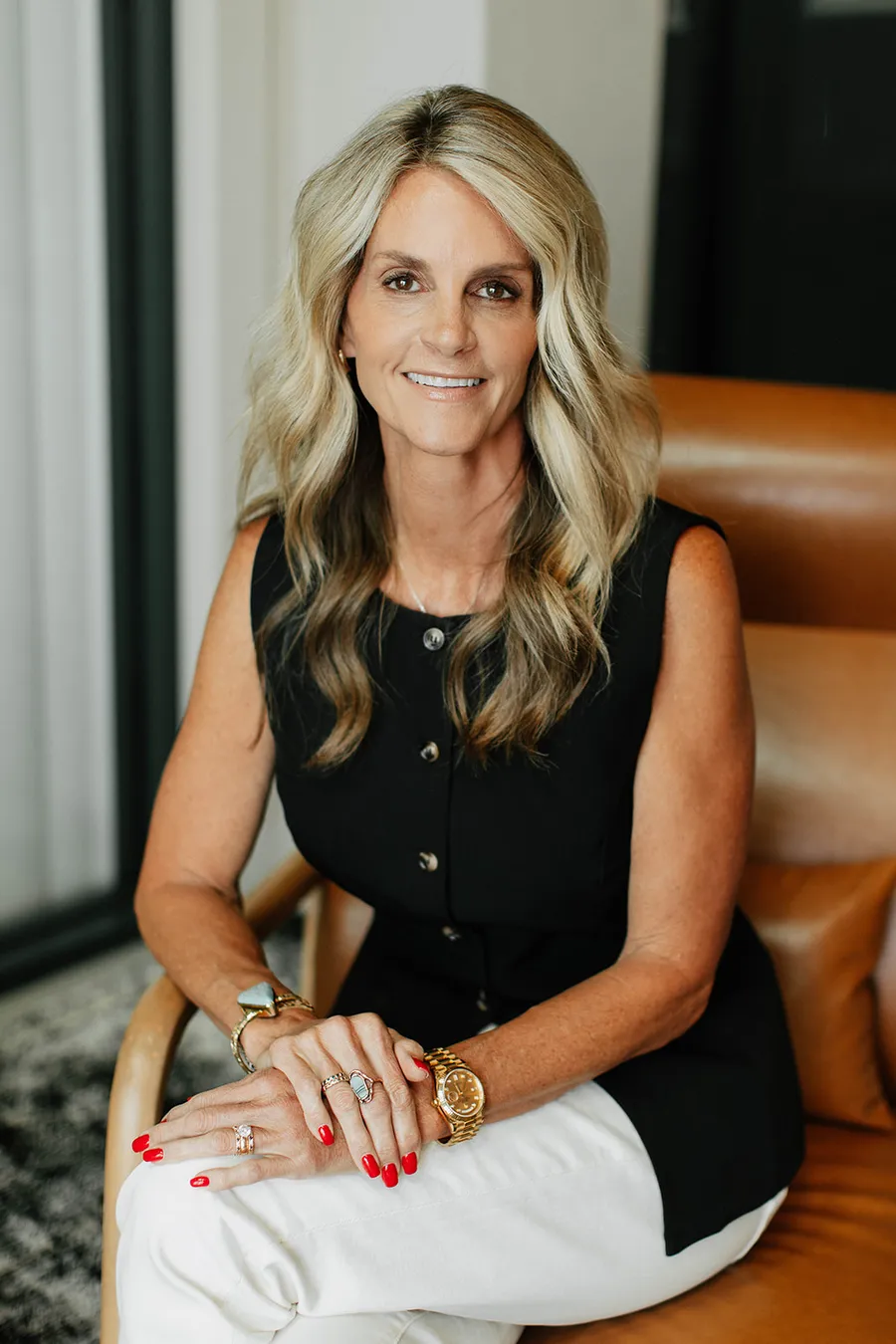
Lindsay is a content creator who has grown an audience of nearly 1.5 million followers and earned over 1 billion views. As an entrepreneur and marketing strategist, she's passionate about helping businesses grow through smart marketing and scroll stopping social content.
Read the full transcript
This automated transcript has been lightly formatted for readability and may contain errors.
Welcome to Yes Women’s Network podcast. We’re so happy to have you here with us today. [00:00:05] Today in the studio we have Lindsey Kelly, and Lindsey is a content [00:00:10] creator who has grown an audience of nearly 1. 5 million followers [00:00:15] and earned over one billion views. As an entrepreneur and marketing [00:00:20] strategist, she’s passionate about helping businesses grow through smart [00:00:25] marketing and scroll-stopping social content.
Thanks for being with us today. Lindsay Kelly: [00:00:30] Yes, thanks for having me. Yeah. I’m excited to be here. Michele Morley: I’m so glad.
Good. So why don’t you tell us a little [00:00:35] bit about how you got started? Lindsay Kelly: To be brief about it, my husband got diagnosed with progressive MS in [00:00:40] 2019, and leading up to that, there were years of, like, trying to [00:00:45] figure out what was going on with him. And in 2019, after he got diagnosed, [00:00:50] um, it was just really, really hard because I got thrown with, “You’re gonna be a caregiver. You’re gonna [00:00:55] take over as the provider.”
Sure. And I have six kids, so it was like, “How am I gonna do all this?” And it just felt [00:01:00] like, uh, almost o- it was overwhelming. Mm-hmm. Like, how am I [00:01:05] actually going to do all this?
So, um, I mean, there’s a lot [00:01:10] in between there, but fast-forward to 2022, and [00:01:15] I had… My, my husband was able to go to an assisted living home, and I say that because it was a [00:01:20] huge blessing for our family just because of MS was affecting him mentally. So at home, [00:01:25] it was just getting a little bit unsafe for him to be there, and I, I was kinda losing it trying to [00:01:30] just, like, do everything. And so in 2022, it was just like this, [00:01:35] like, God sent this, like, “Hey, this is how we’re gonna help you.” And it was just, like, this [00:01:40] assisted living out of nowhere was…
I was able to help him get into one of those. And, [00:01:45] um, at that moment, I was just like, “I need to just…” I [00:01:50] just had this feeling to start sharing my story on social media to help others not feel so alone. [00:01:55] Um, and there was this part of it where I just felt like people within my life [00:02:00] weren’t understanding, and I couldn’t figure out why they weren’t understanding. Now I do.
[00:02:05] Uh, so I s- I had this feeling to start sharing my story on social media and some of the things that we were going [00:02:10] through, um, because I’m, like, sitting there watching all my friends go on these beach trips and [00:02:15] all of that, and I’m like- Sure “I just can’t do that.” Like, I… This is not… If I did do that, [00:02:20] it’s not that easy. Like, I know going on a beach trip or whatever is, like, [00:02:25] with an entire family is hard enough, too, but, like, it was just really, really difficult to even think of [00:02:30] doing something like that because of the situation and the health challenges and, like, even thinking about my husband [00:02:35] getting on a plane.
And, um, and so it was just like [00:02:40] Like, I’m just seeing that, but I’m like, “This is what my life is like. Like, this is my everyday [00:02:45] life, and like, why am I not sharing this? Like, this is what I have to go through.” And [00:02:50] I was so scared to share on social media, but I just started sharing and learning about [00:02:55] content creation. Like, there’s this part of me that’s like, “You need to share your story.”
And so I start sharing, and I get [00:03:00] all these women from all over the country. Well, there were some men, but there were a ton of women reaching out to [00:03:05] me just being like, “I’m going through that same thing. I had no clue that, like, that’s what I was [00:03:10] experiencing.” And some of these were, like, pre-diagnosis, like, before MS. I- before they actually got [00:03:15] diagnosed with MS.
So I’m showing, like, the mental struggles that come along with an autoimmune disease. [00:03:20] And so I just started getting people reaching out to me, and it was so [00:03:25] cool because I had, like, a group. I was only sharing on TikTok at that time, and so I had, [00:03:30] like, a group of, like, seven women. Um, they were from all over the country. W- actually, all over the [00:03:35] world.
We had one in England, one in Ireland. Michele Morley: Wow. Lindsay Kelly: Some across the country. Um, [00:03:40] none of them were here in Utah, but it was just like, uh, I just had these seven [00:03:45] women that we would just get on these Zoom calls with and just, like, talk. So then, [00:03:50] um, I had this feeling to start sharing on Instagram and Facebook, and I was just like, [00:03:55] I, I just didn’t ever plan to share there.
But there was this moment where my son [00:04:00] showed me this account. I knew that people were stealing my content and creating new accounts. Michele Morley: Oh, yay. Lindsay Kelly: And [00:04:05] so my son sent me this one video, and it had, like, 18 million views, and it was my [00:04:10] video, but it was from Instagram. And I was just like, I just had this, like, aha moment of like, “I need to start [00:04:15] sharing my story on- Michele Morley: Gladly Lindsay Kelly: Instagram and Facebook.”
So I start sharing it on there, [00:04:20] and I just got, like, a flood of people start following me, like, really quickly, [00:04:25] and people messaging me just like they were on TikTok. And, but there were so many that I was like, [00:04:30] “I need to create a place where all these people can go.” So I created, created this free caregiver support [00:04:35] group. And Uh, that was actually really cool, but it was [00:04:40] also a little too much at the time. Like, it was just a little …
Like, I’m still living in the moment as I’m sharing on social media, [00:04:45] but I was like, I’m still getting all these people coming into the group being like, “Oh, this is what happened to my [00:04:50] spouse,” and it was just a little bit traumatizing for me, so I slowed down on Like, I took [00:04:55] that, that caregiver support group off of, um, my link in bio for a bit because I [00:05:00] was just like, I don’t know that I’m equipped to be, like, the person that they can come to, and [00:05:05] I don’t know how to explain that. I was just still living through some of my own challenges. So [00:05:10] from there, uh, I, I just continued sharing my story on social [00:05:15] media.
So that’s kind of how I got started in share- content creation and sharing [00:05:20] on social media, is just genuinely showing everyday moments of, like, what I was [00:05:25] going through. Michele Morley: You were able to see in probably real time the [00:05:30] impact you were making on other people’s lives as a result of it, right? Lindsay Kelly: Yeah. Michele Morley: And that was the goal? [00:05:35] Lindsay Kelly: Yeah.
Like, I, I … My, my main feeling that I had when I started was I didn’t want [00:05:40] other people to feel so alone if they were going through what I was going through. But [00:05:45] it’s so crazy because, like, I got so many other people who were helping me [00:05:50] not feel so alone, and yeah. Like, that was probably the [00:05:55] biggest thing that I realized is like, I’m sitting there saying, “Okay, this is Like, trying to bring awareness to [00:06:00] what happens with these autoimmune diseases,” and I just had, uh, [00:06:05] so many people saying some stories to me in my DMs or even in these groups that I created that [00:06:10] just helped me …
Like, helped healing with me with some of those things I was going through. I just … [00:06:15] It was just nice to have a bunch of people going through what I was going through. So many of the same [00:06:20] things. Some of the loneliness you face, some of the grieving and all of that.
Like, [00:06:25] that’s some of the things that you face while you’re going through these challenges is it’s like you’re [00:06:30] grieving that person over and over again. Michele Morley: Absolutely. Lindsay Kelly: And, um, and so yeah, [00:06:35] it helped me to not feel so alone. So like, yes, my … I realize the impact I can [00:06:40] make by putting myself out there, which is hard ‘cause you get all the haters and you get people who love you too, like, [00:06:45] who are, like, going through what you’re going through and they’re like, “Thanks for sharing.”
But then you get people who are just like, “You’re this [00:06:50] or that,” and it’s just you have to navigate all of that when you start putting [00:06:55] yourself out there, and that was another challenge, too, is navigating all the hate that comes your way when you decide to [00:07:00] step into, like, sharing. And … But you, you figure [00:07:05] it out. Anyway, yeah, so you do make an Michele Morley: impact. Do you feel like you were able to …
Do you feel like the good [00:07:10] outweighs the bad? Lindsay Kelly: Oh, yes. Michele Morley: Yeah. Lindsay Kelly: And not only that, like, you start to [00:07:15] realize, um, you start to realize, like- [00:07:20] Like, y- I don’t know how to explain it. Just as far as having an impact, you just sit there [00:07:25] and you’re like, “I am just a person who has a family, and I just decided to start sharing [00:07:30] and figuring out how to do content creation, and I was willing to share things that were really [00:07:35] vulnerable over the years.”
And then you start to realize, um, [00:07:40] that, like, you don’t even realize that that’s how you just make an impact, is just being brave enough to make that [00:07:45] one social media post. But so many people, like, that’s what’s been wild to me [00:07:50] is I’m like, how did I… Like, these people are reaching out to me like I’m some sort of authority [00:07:55] and like, I’m just like, no, I’m suffering just like you, but let’s like band together, you know? And [00:08:00] it’s, it’s made me realize the impact of sharing your story or sharing those [00:08:05] things that are on your heart on social media. Like, because [00:08:10] N- no other time in history w- have we had such a huge platform that’s in our- Yeah …
Everyone’s [00:08:15] hands, that we can share whatever it is. If you wanna talk about business, if you wanna talk about your family, if you wanna talk about a [00:08:20] challenge. And in turn, like, I love when people put themselves out there and share some of the things that they’ve [00:08:25] shared, because then I’m like, “I get to learn what they’re going through.” And yes, you [00:08:30] can make… Anyone can make a big impact.
Anyone can. You have it on your phone. Michele Morley: [00:08:35] Yeah. And, and I think that is so true, and it k- in my head I’m thinking, “Okay,” [00:08:40] and it keeps coming back to me, everyone has a story. And now at the [00:08:45] same time, you’re saying everyone has something to offer.
Lindsay Kelly: Yes. Michele Morley: [00:08:50] And so how do you encourage that in other people? Lindsay Kelly: That’s exactly how I do it, is I’m [00:08:55] like, because how many of us are just walking around silently suffering [00:09:00] over something? Like, somebody said something to us the day before, or, uh, we have [00:09:05] something from the fourth grade that we’re- we can’t get over still, you know? Like, how many of us just walk around with some of [00:09:10] these, like, limiting beliefs about ourselves that we just wanna share with people.
Mm. Or [00:09:15] we have something, uh, like, we, we just have [00:09:20] something, uh… You know how people will be like, “Oh, I can’t wait till one day I…” Like- Yeah … “I just, I [00:09:25] wish these people could make me famous or whatever.”
Mm-hmm. But it’s like you can, you can literally do that on your [00:09:30] own if you’re just willing to put yourself out there and make an impact. But I just feel the same, [00:09:35] that same way. Like, everyone has a story. Like, when people come and talk to me, that is, [00:09:40] like, when they DM me and they’re like, “Your challenge is so hard,” and then they tell me what they’re going [00:09:45] through, and I’m like, “Dude, your challenge is so hard.”
Michele Morley: Yes. Lindsay Kelly: You know? Like- Right … We all just have [00:09:50] challenges, and I believe that the reason we’re giving those, given those challenges is so that we can help [00:09:55] other people, even in those weak moments where we’re just like, “I’m struggling,” and, [00:10:00] uh, and you put yourself out there in whatever way that is, and [00:10:05] we all just can make an impact on each other. Like, somebody out there needs [00:10:10] help, and you might be the very person to help them.
Michele Morley: Exactly. And [00:10:15] understanding that you have the ability to [00:10:20] change somebody’s life by whatever it is you say or do, [00:10:25] um, to help them make that next step. But it takes me also, I think about [00:10:30] this too, is what is it, do you think, that holds women back? [00:10:35] In sharing their story or even to step out of a rut [00:10:40] or to grow in a personal way. Does that make sense?
Lindsay Kelly: Yes. I think [00:10:45] the number one thing, this is me sharing my internal, like what was [00:10:50] my block, because to be honest, I mean, we were talking about this earlier, but just like holding my [00:10:55] phone up and talking into my phone was the hardest thing, like [00:11:00] the scariest thing for the longest time. Michele Morley: Really? Lindsay Kelly: And I think a lot of [00:11:05] times the mental block there is we feel we are unworthy [00:11:10] to share what we’ve been through or share the, that [00:11:15] value that we have. Like, I believe that all of us have that.
So I think the number [00:11:20] one block is that we, one, lack the confidence, [00:11:25] um, because we feel like we don’t have a story worthy to share or what we’re [00:11:30] sharing isn’t going to be that impactful. Impactful. That we feel like it has to [00:11:35] be perfect when we put it out there because it leads back to maybe it’s not. Like, maybe what I have to share [00:11:40] isn’t good enough, you know? And I’ve just…
Like, I’ll put stuff out on my [00:11:45] story now or my stories on social media or… And sometimes, like, [00:11:50] I, I’m just like, “You know what? I don’t even care.” Like, it’s my page. It’s, I- Sure …
I always look at social media as [00:11:55] like a, like a canvas where you can just go draw whatever you want. So whatever you have to [00:12:00] say that day, if people wanna follow you, they’re gonna follow you. And if they follow you because they don’t like you, [00:12:05] that’s their, their fault. You know what I mean? Michele Morley: That’s on them.
Lindsay Kelly: Yes, that’s on them. And so I just [00:12:10] think all of us have something so valuable to share. There’s, um, a scripture. Can I [00:12:15] do talk scripture stuff on here? Um, there is a scripture that says many [00:12:20] are called but few are chosen.
Michele Morley: Right. Lindsay Kelly: And the difference between, in my opinion, this is what I’ve learned [00:12:25] through posting on social media, is the difference between the called and the chosen are the people who are [00:12:30] willing to step into that calling, and I think all of us have that. Like, I really wanna share my [00:12:35] story. I really want to share, um, what I’ve been through, whatever that is. [00:12:40] Um, but we don’t feel ready enough or we don’t feel worthy enough or don’t feel like [00:12:45] it’s important enough or we’re not at a place where we can yet.
And that is [00:12:50] what holds people back from, from, uh, just them not stepping into the [00:12:55] calling. Michele Morley: Sure. That’s… I’ve never even thought of it that way, and that’s [00:13:00] actually a beautiful way to think of it. I also wonder about fear.
Are they afraid [00:13:05] of what other people are gonna say? Have you dealt with that? Lindsay Kelly: Oh, yeah. Michele Morley: Yeah. Lindsay Kelly: And especially when I [00:13:10] first started posting, I was just like, “I’m just sharing about myself.”
Like, [00:13:15] I’m just sitting here sharing. Like, these are honest things that I’m going through, and I’m just sitting there sharing, and [00:13:20] I have so many people who will just get on there and be like, “Oh, you’re this or that,” or… [00:13:25] Uh, I still have those people. Um- Sure … And so yes, like I navigate that.
There’s been times where [00:13:30] I’ve been in the fetal position because somebody said something on my social media, and I’ve had people who, in my [00:13:35] personal life, who have said stuff on my social media that I’m like- Yeah. Michele Morley: Shoot … Lindsay Kelly: and so you just start to realize that [00:13:40] you just have to be willing to be misunderstood by people. Michele Morley: And w- [00:13:45] along with being called, yeah, it does take someone, uh, [00:13:50] someone to be bold, right? I mean, for you to have the confidence to carry [00:13:55] on even in spite of the negativity that you can, you know, that you [00:14:00] deal with or- Lindsay Kelly: Yeah Michele Morley: um, harsh words or [00:14:05] people in y- you thought would be in your corner.
Lindsay Kelly: Yes. Michele Morley: Yeah. Lindsay Kelly: Yeah. I’ve, I’ve [00:14:10] especially dealt with that within a family dynamic of I couldn’t figure [00:14:15] out why family members refused to understand what was going on, and that [00:14:20] was, that was a huge thing, is like instead of being supportive, they were just constantly trying to find [00:14:25] the, the negative in me, and I couldn’t understand that either. But now I do because I learned about some [00:14:30] mental maybe things that might be happening or unhealthy family dynamics that might be happening, and so that’s [00:14:35] why they couldn’t…
They wouldn’t understand, you know? Michele Morley: Mm-hmm. [00:14:40] Yeah, unless they’re in your shoes, they’re not going to- Yeah … Understand what you’re going through. [00:14:45] So how, how about your children?
How has this been for them in this journey, not only as [00:14:50] a content creator, but especially about what you’ve been through as a family [00:14:55] with your husband’s diagnosis? Lindsay Kelly: Uh, you know, I get asked that quite a [00:15:00] bit. One of the things I noticed as a mom was [00:15:05] what… You know, we all don’t want our kids to go through something hard. [00:15:10] We don’t.
We just don’t want them to go through things that are hard. But the thing that I noticed about my kids [00:15:15] going through all the changes over the years, and I don’t even know that they notice them [00:15:20] now, but they just had to grow up really quick, and there were moments where I saw that they were crying or they [00:15:25] were like They were just not themselves over this, and I didn’t… [00:15:30] Maybe they didn’t know how to articulate it fully to me either. But one of the [00:15:35] things I noticed is how it built them and made them confident and more [00:15:40] independent because all of a sudden they have a mom that’s, like, doing all [00:15:45] these roles and doesn’t have enough energy or time to be the, like, [00:15:50] mom that cooks a, a meal every night and the t- dinner’s all set.
It’s like [00:15:55] a flying by the seat of our pants that we’re just like, “Oh my gosh, get in the car. We gotta hurry and go [00:16:00] here. I just got home from work.” And- Michele Morley: Sure … Lindsay Kelly: um, but I think one thing I noticed about my kids [00:16:05] is just that, uh, how it strengthened them so much.
[00:16:10] And I, I just— I was thinking about that the other day is that I’m… I don’t even think they realize [00:16:15] how m- how confident and how much strength [00:16:20] they gained over the years because they didn’t know any different. And so they, they were [00:16:25] all young. I think my oldest was 14. Well, she was younger, really [00:16:30] like 11 when some of these symptoms started happening.
But when he got diagnosed, I think, uh, [00:16:35] I think my kids were all f- 14 or, no, 15 and younger. [00:16:40] So like they… This is like some of them, this is really all they’ve known or most of their life this is what they’ve known. [00:16:45] And so me as a mom, that’s what I’ve, I’ve noticed with them is that they just… [00:16:50] There’s a strength and a confidence in them because I had to [00:16:55] I know you don’t wanna— like, you wanna parent your kids, but I had to lean on them for certain things ‘cause I was like, [00:17:00] “I can’t do this by myself.”
So I’m like, “I gotta have you guys, like, chip in and help.” Or, like, there were times, [00:17:05] um, in caregiving situations where my kids had to help caregive. Um, it just was part [00:17:10] of it. Like, k- the kids have to be the caregivers too, and I just have [00:17:15] noticed a lot of sympathy that they’ve gained for other people and just that they grew up really quickly. Michele Morley: I [00:17:20] imagine.
I can only imagine that that would be the case. So when they take on those [00:17:25] roles as well, as a caregiver and stuff, did you ever feel, [00:17:30] um… How, how did you help them [00:17:35] recognize that it would be a learning experience for them to be able to [00:17:40] fulfill that kind of role? Lindsay Kelly: I, I mentioned that, uh, Reid’s [00:17:45] symptoms were… A lot of them were mental.
Like, I— that’s something I didn’t realize with MS, [00:17:50] that MS… Like, he was physically fit when he got diagnosed with progressive MS. Michele Morley: [00:17:55] Oh, okay. Lindsay Kelly: And so mentally was what they were trying to, uh, [00:18:00] treat. And so when he would have some of these [00:18:05] cognitive issues at home, I would, I would sit there and tell my kids, [00:18:10] and w- I still do.
Like, even some of the things that are happening now, I still talk to my kids and I’m like, [00:18:15] “This is not how he really is, and this is not who he used to be.” Mm-hmm. [00:18:20] Like, I think just reassuring them on those things and buffering that so that they’re not, like, [00:18:25] looking at this as a, um, like, “My dad is being this, [00:18:30] this, and this.” It’s more of just, like, like helping them recognize that this is a, [00:18:35] this is an autoimmune disease, and this is how it’s affecting him, and this is… Like, just helping them [00:18:40] have compassion, that this is not really how he, [00:18:45] he is during these moments.
This is not who he is. He’s an— And I would always sit there and say, [00:18:50] “He’s an amazing person. He really is.” Michele Morley: Sure. Lindsay Kelly: But these moments or the way that it’s [00:18:55] affected him has made him act certain ways at certain times and, [00:19:00] um, it’s made me act certain ways at certain times where…
Like, I don’t wanna sit there and protec- like- [00:19:05] Um, when you get thrown with that, caregivers get thrown a whole lot because you’re the [00:19:10] person that is picking up the pieces behind the scenes, and you [00:19:15] often get asked how the person is doing that you’re caring for. And people will ask about you, too, but [00:19:20] they often ask about the person that you’re caring for. But I think people don’t [00:19:25] understand the mental and the physical- That’s emotional … Or the emotional struggle that you face [00:19:30] daily, that you’re just, like, trying to put on a smile and pretending like everything’s [00:19:35] okay, but you’re dealing with your own, uh, life changes.
And not only that, you’re [00:19:40] dealing with the changes, staying in it, and trying to pick up the pieces of your life for everybody else. [00:19:45] Michele Morley: Well, what kind of patterns have you incorporated into your daily life [00:19:50] to kind of give yourself grace, as well as helping the family [00:19:55] in a situation to feel sustained and strengthened? Lindsay Kelly: Oh, man. That [00:20:00] is a heavy question. I think there’s some days where you just feel like, um…
[00:20:05] I think there’s some days where you feel helpless and you feel like, “Oh my gosh,” [00:20:10] like, “I’m surviving life.” Uh, one of the things [00:20:15] recently— Well, going, getting up and, like, moving my body. [00:20:20] So going to the gym was just, like, essential. It became essential during those times [00:20:25] because— And I didn’t realize how much it helped me mentally for a long time- Mm-hmm … ‘cause I’d just go [00:20:30] lift weights- That’s true …
Or whatever, and I was- Yeah … Taking it out at the gym, you know? And that was just so— [00:20:35] that’s so good for your brain, but also just, like, you’re getting all that energy out that- That Michele Morley: release. Lindsay Kelly: [00:20:40] Yeah. Yeah.
And a lot of times you want to sit there and be like, “Okay, I can’t get out of bed because this is so [00:20:45] depressing.” But, like, when you force yourself to go do it, then you— there’s something that happens. Like, there’s [00:20:50] something scientific that happens that I can’t describe, but it was so good for my mental health. But I think, [00:20:55] um, I think one of the biggest lessons I’ve learned is, [00:21:00] um, for- being forgiving of yourself. Like, I think we can, as women, we [00:21:05] hold ourselves to this expectation, we— almost an unrealistic [00:21:10] expectation of, like, perfection, of like, “Oh, we gotta do this, this, and this,” or I— we go to bed at night [00:21:15] thinking that our— we didn’t do enough for our kids.
And [00:21:20] I think, uh, just allowing myself to let go of those [00:21:25] expectations of myself and other people and just [00:21:30] Uh, I think especially when I started sharing on social media, it was like people would say things about [00:21:35] me, and I was like, never once did I ever tell any of these people that I am perfect or I’m doing [00:21:40] everything perfect or I haven’t made any mistakes or I haven’t had my own [00:21:45] weaknesses. I never have once shared that. But I also have never shared some of the stuff that I’ve been [00:21:50] through behind the scenes. I’ve just shared enough to help people understand that this, this is, [00:21:55] um, this is what goes on.
This is a difficult situation. An [00:22:00] impossible situation is what everybody tells me. But, um, I think one of [00:22:05] the things is just, uh, there’s no such thing as balance when [00:22:10] something like this arises. Like, there were days where my [00:22:15] dishes, days I say, of dishes, the same dishes sitting in the sink because other things [00:22:20] took priority and I just had to be okay looking at the sink, that those dishes are gonna stay [00:22:25] there because I’m not gonna— I’m going to go to bed with those dishes in the sink because [00:22:30] I’ve had a long day and I can’t exert energy towards that right now. I’ve just gotta go to bed.
[00:22:35] Mm-hmm. You know? So just, uh, I think forgiving yourself, [00:22:40] knowing that there is no such thing as balance in, in my opinion, and, [00:22:45] uh, coming up with ways like going to the gym if that’s waking up earlier. [00:22:50] Spiritually, like s- reading my scriptures has been a huge thing. Um- [00:22:55] But yeah, those are, those are some of the ways Michele Morley: Giving yourself grace has gotta be a [00:23:00] difficult thing to do in the midst of a very challenging…
I mean, you [00:23:05] were thrown into this as to become a caregiver on a totally [00:23:10] different level- Lindsay Kelly: Yeah … Michele Morley: and to provide for your family. So how do you see [00:23:15] going forward, what, what’s in the, what’s in the works for you going forward? [00:23:20] Lindsay Kelly: Well, yeah, it is, it’s difficult being thrown into that because you have to make a decision daily- Mm-hmm [00:23:25] that you’re gonna stay in it. And I had multiple people saying, um, like over [00:23:30] the years being like, “Okay, maybe you should, maybe you should just…
You can still take [00:23:35] care of Reid, but maybe you should get divorced.” And then, and especially [00:23:40] because there was a whole family dynamic, I had people saying, “This can be somewhat of a, [00:23:45] um, this, this might be a little bit harder road just given the family [00:23:50] dynamic that you’re in right now.” I, I think moving forward, [00:23:55] having love and compassion for other people is a huge thing. You never know what’s going on behind the [00:24:00] scenes. Michele Morley: Right.
Lindsay Kelly: Um, I think moving forward, I think one of the things that I [00:24:05] am feeling about this whole situation is a whole lot of peace in my life. I never [00:24:10] expected this to be part of the road that I was on. I just, I pictured and envisioned it differently, [00:24:15] and it was, it… I just feel like, um, right now [00:24:20] I’m just in a place where there’s a lot of peace in my life. And moving forward, [00:24:25] some of the things that I’ve realized is your environment is a huge part of [00:24:30] why maybe you’re not successful or why maybe you’re, um, not the [00:24:35] person, the version of you that you want to be, is because you’re giving so much energy to other things.
Michele Morley: Mm-hmm. [00:24:40] Lindsay Kelly: And you feel that those are important, which they are, I’m sure. But now that I’m kind of, [00:24:45] um, going through what I’m going through, I’m realizing like a whole… Like, I just wanna spend time with my [00:24:50] kids. I want to continue being the entrepreneur and, like, figuring [00:24:55] out, um- Figuring out that.
Like, I just really want to figure out who [00:25:00] I am all over again ‘cause you get thrown into a caregiving situation and then it’s like [00:25:05] you have to figure out a whole new identity of yourself, like who you are as a person without the [00:25:10] person that’s sick because they’re unable. And now I’m just like at a place where I don’t [00:25:15] have the— I’m not caring for somebody that’s sick, and now I’m like, [00:25:20] “Who am I as a mom again, and who am I as a person? What did I used to like to do?” [00:25:25] And I think moving forward in my life is just more of filling that piece of my life of [00:25:30] like who I am all over again.
Michele Morley: Like you say, you have to come to terms with that and be [00:25:35] at peace with that. That is so important in the kind of, in the shift of, [00:25:40] that your life is taking. Yeah. So if you could say anything to u- to women [00:25:45] today, what would you encourage them to do considering what you’ve been [00:25:50] through? Lindsay Kelly: You matter.
I think as women we [00:25:55] step into these roles of being a mom or taking care of everybody else, and [00:26:00] that’s why we go to sleep at night feeling like we don’t, we’re not doing enough. [00:26:05] And, um, I just wanna say that, that is that [00:26:10] you matter and that the mistakes you make don’t define you and [00:26:15] there’s no such thing as perfection. So if your day didn’t go or you weren’t the best mom that [00:26:20] day or you didn’t do everything right like you should have, what you’re doing for your kids [00:26:25] and for the people you love matter and n- you don’t owe anybody an explanation [00:26:30] to that. Um, I’ve had a lot of people recently, [00:26:35] uh, going through the things that I’ve, I’m going through right now as just creating stories about [00:26:40] who I am and n- and not caring what was [00:26:45] on the o- like focusing on something that they think I did or…
[00:26:50] And I think that that’s the thing that I’m realizing is I, [00:26:55] you matter and God is aware of you. It doesn’t matter what you’ve done. It doesn’t [00:27:00] matter, um, like the road you’ve been on, [00:27:05] that you’re facing is hard and God’s aware of you and that your feelings matter in any [00:27:10] situation, so. Michele Morley: I love that. I couldn’t agree more and I think you stated that [00:27:15] perfectly.
You do matter and what we offer is en- [00:27:20] is enough as long as we’re putting in the work. Lindsay Kelly: Yeah. Michele Morley: So thank you so much. Sure. You [00:27:25] have, I, I have been filled by being with you [00:27:30] today.
Thank you. And so I appreciate your words. Lindsay Kelly: Thank Michele Morley: you. So thank you for joining us on Yes Women’s [00:27:35] Network podcast and we hope to see you again.